
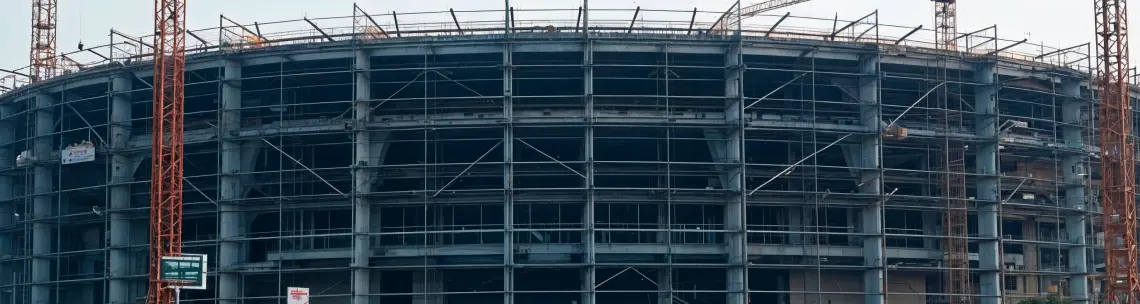
In today’s building environment, money is time. Developers, contractors, and architects are always looking for ways to finish projects more quickly without lowering the quality. The steel framework is a new idea that is quickly becoming the most popular alternative for fast-track construction projects. Its strength, flexibility, and efficiency make it perfect for industries including commercial buildings and factories.
Benefits of Steel Structures
Speed is one of the best things about a steel structure. Steel parts can be made off-site and put together fast on-site, which is different from how concrete or brick buildings are built. This cuts down on the time it takes to build things, which helps developers meet tight deadlines and get things going sooner.
Another important issue is how long it lasts. Steel is resistant to pests, decay, and damage from the environment, so buildings will stay strong and safe for many years. Additionally, steel’s high strength-to-weight ratio enables for greater spans and open layouts without the need for bulky support columns, which is particularly helpful for warehouses, factories, and commercial areas.
Design that is flexible
There is no better way to design than with steel. Architects and engineers can try out different shapes, sizes, and layouts to make structures that look good and work well. Steel structures are great for projects that may need changes or additions in the future since they can be made with little fuss.
Steel is also lighter than other materials, which means that foundations don’t need to be as strong. This not only saves money, but it also speeds up the construction process, which is great for projects that need to be done quickly.
Cost-Effectiveness and Sustainability
Steel can be recycled 100% of the time, which fits with the trend toward building in a way that is good for the environment. Using steel for the construction of a project cuts down on trash on the job site and makes the project less harmful to the environment. Over the long term, steel buildings require less maintenance and repair, giving a cost-effective solution that pays off over the building’s lifecycle.
Prefabrication also helps keep costs predictable. With controlled factory production, the possibility of on-site errors, delays, and additional labor expenditures is considerably reduced. This level of certainty is very important for initiatives with tight budgets and deadlines.
Uses for Steel Structures
Steel buildings can be used for many things. They are utilized a lot in high-rise buildings, sports facilities, business complexes, and industrial warehouses. Fast-track projects particularly benefit from steel because the material enables for simultaneous off-site manufacture and on-site preparation, drastically reducing project deadlines.
Conclusion
Steel structures are in high demand, and for good reason. They are the best choice for fast-track construction projects because they are fast, long-lasting, flexible in design, and good for the environment. Steel constructions will be the most common way to build things in the future because industries are always looking for ways to be more efficient, save money, and last longer.
FAQS
1- What does it mean to have a steel structure?
A steel structure is a building framework composed mostly of steel parts including beams, columns, and trusses. It is meant to be strong, long-lasting, and flexible.
2- Why do people like steel structures for quick projects?
Steel structures can be built off-site and then put together quickly, which cuts down on construction time and delays.
3- Are steel buildings more expensive than buildings made of other materials?
Steel structures may cost a little more up front, but they save money over time because they require less labor, are built faster, need less maintenance, and last longer.
4- Can you change the design of steel structures?
Yes. Steel is good for a lot of different types of projects because it can be shaped in many ways, has long spans, and can be expanded in the future.
5- Is steel good for the environment?
Yes, for sure. Steel can be recycled 100% of the time, cuts down on waste on the job site, and supports building methods that are good for the environment.