
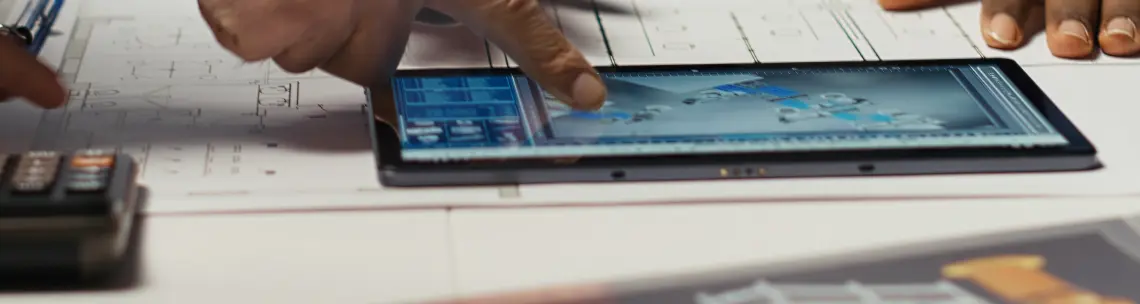
The construction industry is changing quickly, and old ways of estimation aren’t enough to keep up with the needs of modern projects. Using paper, spreadsheets, and manual calculations can cause delays, mistakes, and inconsistencies that cost a lot of money. Contractors need solutions that are faster, more accurate, and can grow with their projects as they get more complicated.
Digital construction workflows have become more popular because of this change. Advanced software, automation, and data-driven systems now power professional construction estimating services. These systems make every stage of a project more accurate and efficient.
The Limits of Old Ways
Manual processes are a big part of traditional estimation methods. Estimators spend hours looking over drawings, figuring out how much of something there is, and updating spreadsheets. This method worked in the past, but it can’t keep up with the speed and accuracy needed in modern construction.
When you do things by hand, you’re more likely to make mistakes, get prices wrong, and give estimates that aren’t always right. These old systems are being replaced by digital solutions that give faster and more accurate results. This is happening because professional construction cost estimation services are moving away from them.
The rise of digital workflows
Digital workflows connect systems for estimating, takeoffs, scheduling, and project management. Teams now work on centralized platforms that give them real-time access to project data instead of separate spreadsheets.
Estimating services for modern construction use digital tools and cloud-based software to make the estimation process easier. This makes it easier for teams to work together, cuts down on duplication, and lets them work on more than one project at a time.
Takeoffs of more items faster
Speed is one of the best things about digital workflows. It can take days to do manual takeoffs, especially for big and complicated projects.
Digital takeoff software is now used by professional quantity takeoff services to automatically measure things from drawings and BIM models. This makes the process much faster and more accurate. Contractors can also submit bids faster and handle more projects when planes take off faster.
Better accuracy
When estimating construction costs, accuracy is very important. Minor mistakes in amounts or prices can cause big budget problems.
Digital workflows lower these risks by using automated calculations, up-to-date cost databases, and project data that is all in one place. These systems are used by reliable construction cost estimating services to make sure that estimates stay accurate and consistent throughout the project’s life cycle.
More teamwork
Contractors, estimators, architects, and project managers are just a few of the people who are involved in construction projects. These teams often have trouble talking to each other because of how things are done in the past.
Digital systems make it easier for people to work together because they let everyone see the same information at the same time. Professional construction drafting and estimating teams can work together better, which cuts down on mistakes and makes sure that everyone is on the same page with the project.
BIM Integration
Digital construction workflows now heavily rely on Building Information Modeling (BIM). BIM lets teams work with smart 3D models that have a lot of information about the project.
BIM platforms work with modern construction estimating services to get quantities directly from models. This makes the estimating process more accurate and efficient, and it also helps the design and execution teams work together better.
Cost Updates in Real Time
Prices for materials and labor change all the time, so using old prices is a big problem with traditional estimating.
Digital estimating platforms give you real-time updates on costs, so your estimates are always based on the most current market conditions. These tools help professional construction cost estimating services keep their budgets accurate and lower their financial risks.
Less rework and delays
Fixing mistakes found during construction costs a lot of money. A lot of the time, traditional workflows don’t find problems early enough.
Digital workflows make things easier to see and coordinate, which helps teams find problems before construction starts. Contractors can cut down on rework, avoid delays, and keep projects running more smoothly by using advanced quantity takeoff services and digital planning tools.
Helping Scalability
As construction companies grow, it gets harder and harder to keep track of many projects by hand. Traditional systems don’t have the flexibility they need to grow.
Companies can handle more work more quickly with digital construction workflows. Professional construction estimating services help contractors grow their businesses without losing accuracy or quality.
Conclusion
Digital construction workflows are changing how people estimate. Contractors can speed up, make more accurate, work together better, and make more money by replacing manual processes with connected systems.
Businesses can stay competitive in an industry that is becoming more digital by paying for professional construction estimating, quantity takeoff, and construction estimation services. In today’s construction, technology isn’t just nice to have; it’s the key to getting projects done on time.
FAQs
- What are workflows for digital construction?
They use digital tools and software to plan and estimate projects.
- What is making old ways of estimating less useful?
They are slower, less accurate, and more likely to make mistakes by hand.
- How do digital workflows make estimating better?
They make calculations automatic, make it easier for people to work together, and make things more accurate.
- How does BIM help with estimating?
BIM gives you accurate project data so you can make faster and more detailed estimates.
- Can digital workflows help save money on projects?
Yes, they cut down on mistakes, delays, and having to do things over again.