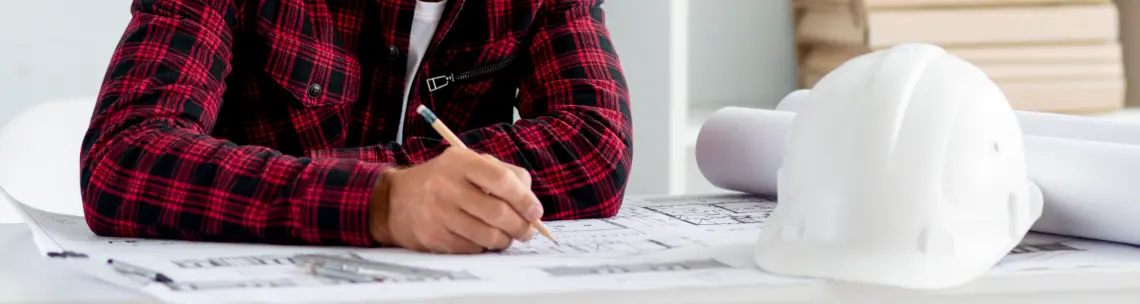
Planning before construction is when the project’s success is mostly decided. Decisions made during planning affect cost control, scheduling, and general efficiency even before equipment gets to the site. At this point, early estimation is very important since it gives a realistic picture of the project’s scope, budget, and resource needs. When teams spend time making accurate early predictions, they get rid of uncertainty and have everyone on the same page about realistic timelines.
The Price of Not Estimating Early
Projects that start building too quickly without making accurate estimates often run into problems including delays, having to redo work, and going over budget. If you don’t fully predict costs, you’ll often have to adjust the scope, have trouble buying things, and have schedule problems. Over time, these problems get worse, and simple mistakes can lead to months of delays. Early estimating helps teams find possible problems before they get worse, so they can plan forward instead of reacting when things go wrong.
How Early Estimation Makes Scheduling More Accurate
More accurate early estimates make project timelines more reliable. Project managers can plan operations in the best order when they know exactly how much material, personnel, and equipment they need. This clarity cuts down on downtime, stops resource shortages, and makes sure that work flows more smoothly across trades. Teams can avoid making hurried judgments that damage quality and safety when they have realistic schedules.
Identifying Risks Before Construction Starts
Early estimating is another useful method for managing risk. Teams can find high-risk areas, including complicated assemblies, materials with long lead times, or tight site constraints, by looking at quantities, pricing, and building methods ahead of time. Taking care of these risks early on lets you plan for the worst and come up with other ways to do things. This proactive strategy keeps projects on pace and cuts down on surprises during development.
Better communication between all parties involved
When early estimates are used in planning before construction starts, it makes it much easier for owners, designers, and contractors to talk to each other. Clear estimates set common expectations about time and cost, which cuts down on disagreements and misalignment. When everyone uses the same information, decisions are made more quickly and with greater knowledge. This partnership speeds up the approval process and prevents delays caused by misunderstandings or late changes.
Getting the best deals and using resources wisely
Early estimating helps with smarter buying decisions. Teams can get materials sooner, lock in prices, and minimize delays in the supply chain if they know how much they need and when they need it. Planning for labor and equipment also gets better, which means fewer last-minute hires or equipment shortages. All of these improvements add up to weeks or even months off the project’s overall timetable.
The Role of Technology in Early Estimation
New estimation tools and digital takeoff software have made early estimates much more accurate. Estimators can make more accurate predictions faster by using historical data, BIM models, and real-time pricing. Teams can also use these tools to test out different scenarios, see how long things will take, and improve their plans before construction starts. Technology changes early estimation from a rough guess to a useful tool for planning.
Conclusion
Planning before building is not just an administrative procedure; it is a strategic advantage. Early estimating helps project teams understand what they need to do, lowers risk, and lets them make realistic schedules long before construction begins. By finding problems early and getting everyone on the same page with correct information, projects can keep moving forward without wasting time and money. In an industry where time is money, early estimating is always one of the best strategies to cut project deadlines by months.
FAQs
1- What does “early estimation” mean in planning for construction?
Early estimation means predicting the prices, quantities, and resources needed for a project before construction starts so that planning and scheduling can be done with more information.
2- How does estimating early help projects stay on schedule?
It finds hazards, resource needs, and scheduling problems early on, so teams may fix them before they affect the building schedule.
3- Who gets the most out of early estimation?
Better cost management, clearer timetables, and fewer arguments are all benefits for owners, contractors, and project managers.
4- Is it possible to make an accurate estimate without final designs?
Yes. Even though designs may change, early estimates employ the data and assumptions that are available to give good planning information.
5- What tools do people usually use to make early estimates?
To make things more accurate, people often employ digital takeoff tools, BIM models, historical cost databases, and estimating platforms.