
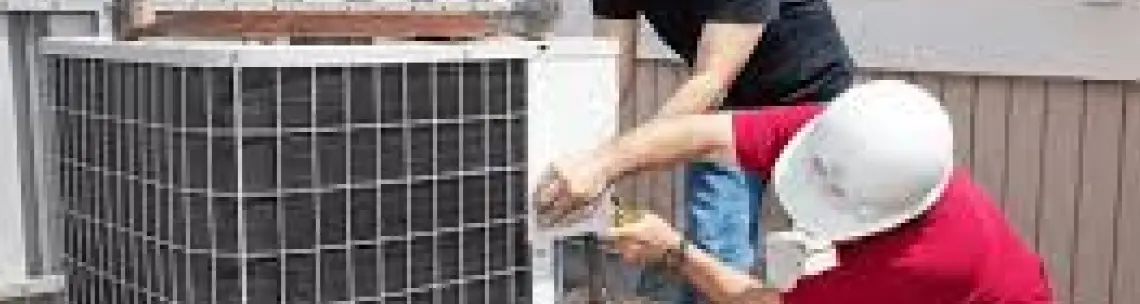
In both residential and commercial buildings, HVAC systems are critical to comfort, effectiveness, and safety. However, a lot of businesses undervalue the significance of strategic planning for HVAC initiatives. Over time, minor flaws in installation, maintenance, or design frequently result in significant financial losses. Professional HVAC services, such as system design, installation, and maintenance, help companies maximize operational efficiency and steer clear of expensive blunders. Long-term equipment reliability, regulatory compliance, and energy efficiency are all guaranteed by careful design.
Inaccurate Calculations of Load
Inaccurate load estimates wreck a lot of HVAC budgets. While undersized systems overwork, increasing the frequency of repairs and reducing the lifespan of equipment, oversized systems waste energy. Accurate load calculations that are adapted to building size, occupancy, insulation, and consumption patterns are guaranteed when working with a skilled HVAC contractor or HVAC services. In addition to preventing hot or cold patches and enhancing comfort, accurate load calculation guarantees that the system runs effectively all year long.
Inadequate Integration of Systems
Seldom do HVAC systems function alone. They communicate with building automation, plumbing, and electrical systems. System failures, increased maintenance expenses, and energy inefficiencies can result from poor integration. During design and implementation, reputable HVAC engineering services assess system compatibility and work with other building systems. A smooth operation, fewer needless downtime, and improved building performance are all guaranteed by effective integration.
Ignored Maintenance Scheduling
Performance deterioration and emergency repair expenses result from a lack of regular maintenance planning. Ignoring routine component checks, filter changes, and inspections results in unexpected malfunctions and increased energy use. Using HVAC maintenance services guarantees planned maintenance, avoidable repairs, and early identification of possible problems. Systems that are properly maintained have a longer lifespan, are more effective, and have far lower lifecycle costs.
Outdated Equipment Selections
Selecting outdated, inefficient HVAC systems may result in lower initial expenses, but they also use more energy and require more repairs. Modern, energy-efficient technologies like eco-friendly refrigerants, variable-speed motors, and smart thermostats are now the main emphasis of commercial HVAC services. While old units can become a persistent drain on operating budgets, investing in modern equipment increases system reliability, lowers utility bills, and supports sustainability objectives.
Inadequate Records
Inadequate documentation during updates or installation causes misunderstandings, errors, and inefficiencies later on. For troubleshooting and future growth, comprehensive schematics, operating manuals, and maintenance logs are essential. Expert HVAC planning services guarantee that all documentation is correct and available to facility management. Effective documentation minimizes downtime, simplifies maintenance, and assists contractors in avoiding expensive mistakes when repairs or adjustments are required.
Inefficiencies in Energy Use
Over time, mismatched equipment, inadequate insulation, or poorly designed ductwork can all dramatically raise energy expenses. HVAC professionals optimize systems and conduct energy audits to minimize waste while preserving compliance and comfort. Reducing energy inefficiencies has a positive financial and environmental benefit. Efficiency-focused HVAC services help businesses save money, increase system dependability, and improve occupant comfort.
Significance of Expert HVAC Services
By spending money on expert HVAC services, design, and planning, one may avoid expensive mistakes, increase system longevity, and guarantee maximum energy efficiency. Strategic planning preserves costs and enhances operational dependability from the first load calculation to continuing maintenance. Professionals can also suggest energy-saving measures, automation tools, and improvements for your facility. Engaging a professional guarantees that your HVAC investment will provide long-term financial gains in addition to comfort.
Conclusion
Gaps in HVAC planning may not seem like much at first, but they can add up to big financial losses. Energy optimization, regular maintenance, correct integration, and accurate design are crucial. Your system will be dependable, functional, and economical if you work with skilled HVAC contractors, commercial HVAC services, and HVAC planning experts. By being proactive in your planning today, you can avoid expensive shocks later.
FAQs
- Why do gaps in HVAC planning raise expenses?
Ineffectiveness and repair costs result from poor integration, maintenance, or design
- What services guard against drains on HVAC budgets?
Expert services for HVAC design, installation, and upkeep.
- Is it cost-effective to replace old HVAC systems?
No. Over time, older systems use more energy and require more repairs.
- How frequently should HVAC systems be maintained?
At least twice a year, routine maintenance and inspections should take place.
- Do HVAC services include energy audits?
Indeed. They save energy expenses and maximize system performance.