
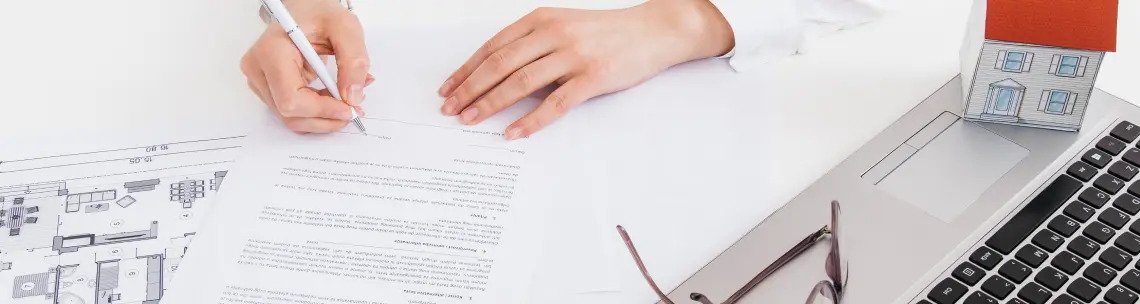
The final set of drawings made after a construction project is finished is called as-built documentation. These drawings show what the construction was really like when it was completed, not just how it was planned. There are many alterations made during construction because of the site conditions, the availability of materials, or changes in engineering. As-built drawings keep track of all these changes, therefore they are an important record of what is really on site. Without them, subsequent teams will have to make guesses, use old plans, or work with incomplete information.
Why Original Drawings Are Not Enough
Design drawings are made with a goal in mind, not with what is real. Even the most precise plans for building things don’t always turn out exactly as planned. In real life, it’s normal for projects to have changes in the field, new connections, services that are redirected, and changes to the structure. When stakeholders only use the original blueprints, they run the risk of making expensive mistakes when they need to do maintenance, renovations, or expansions. As-built documentation does rid of this uncertainty by giving an accurate, validated record of the finished building.
Efficiency in operations and accuracy in maintenance
One of the best things about as-built drawings is that they help with continuous operations and maintenance. Facility managers utilize these papers to find utilities, structural parts, and hidden systems. Repairs go faster, are safer, and cost less when there is correct as-built documentation. Technicians can find out the exact sizes, materials, and layouts of systems without having to conduct extra exploratory work. This cuts down on downtime and keeps things running smoothly.
Lowering risk and protecting the law
As-built documentation is also a very useful tool for managing risks. Post-project drawings show how the structure was built in case of disputes, lawsuits, or safety inquiries. They help make roles clear, make sure that agreed modifications are followed, and shield stakeholders from being held responsible. These records can help both owners and contractors avoid misunderstandings and reinforce their legal standing long after the project is done.
Helping with renovations and future growth
Over time, buildings change. Accurate data about the current state of things is very important for any future construction, whether it’s a small refit or a big expansion. Engineers and designers can plan upgrades with confidence when they have as-built drawings since they know they won’t damage important systems or weaken the structure. Without them, teams have to spend more time and money on site surveys and investigations that could have been avoided.
Value of Compliance and Asset Management
To get approvals, certifications, and long-term tracking, many regulatory bodies and asset management systems need precise as-built documentation. These drawings assist owners to follow safety laws, fire codes, and building codes. Also, well-documented assets are worth more in the long run since buyers, investors, and insurers see extensive records as an indication of a professionally run project and lower operational risk.
Digital Edge of Today’s As-Built Drawings
As digital tools have gotten better, as-built documentation has gone beyond just paper drawings. You can get to and change BIM models, digital markups, and cloud-based documents in real time. These new forms make it easier for people to work together, make sure that drawings don’t get lost, and make sure that they stay useful throughout the building’s existence. Digital as-builts also work perfectly with facility management systems, which makes them much more useful after the handover.
Conclusion
As-built documentation is more than just a formality at the end of a project; it’s a way to make things clearer, safer, and more efficient for the long term. Post-project drawings show what construction is really like, keep people safe, and help people make better decisions for years to come. As-built drawings are often the most important documentation long after a project is over in an industry where accuracy is important.
FAQs
1- What is the point of as-built documentation?
As-built documentation shows how a finished project really looked, including all the alterations that were made during construction.
- Who is in charge of making as-built drawings?
Contractors usually make as-built drawings, which engineers or project consultants then look over and finish.
- When should the as-built documentation be finished?
At the end of the project, it should be finished, taking into account all changes made in the field and approved revisions.
4- How do as-built drawings make maintenance easier?
They help maintenance staff find systems more easily, which cuts down on downtime, mistakes, and damage that isn’t needed.
- Are digital as-built drawings superior to paper ones?
Yes. Digital formats make information easier to acces